2026 Ford Bronco G.O.A.T. Modes Explained for Real-World Driving Near Solon, OH
Valley Automotive Superstore – 2026 Ford Bronco G.O.A.T. Modes Explained for Real-World Driving Near Solon, OH
The 2026 Ford Bronco is famous for G.O.A.T. Modes, but what do those settings actually do on familiar roads around Solon, OH and beyond? If you have ever wondered whether these modes are mostly marketing or genuinely useful, you are in the right place. The short answer is that Bronco’s drive modes optimize throttle response, transmission shift logic, traction control, and stability programming to match real conditions. That might mean less slippage pulling away from a rough gravel lot off US-422, more relaxed throttle mapping during a steady highway cruise, or extra traction when you find a muddy pull-off along local backroads.
What G.O.A.T. Modes Are Designed to Do
G.O.A.T. stands for Goes Over Any Type of Terrain, but the idea is more practical than that name suggests. Each mode blends software and hardware responses so you do not have to think about micro-adjustments behind the wheel. You select a mode, and Bronco fine-tunes systems like throttle tip-in, transmission shifts, and traction control thresholds to fit the surface under your tires. The result is smoother, more predictable driving.
For example, a slippery surface setting helps you roll away cleanly on wet leaves or loose gravel that can build up on suburban side streets. A sportier mode sharpens throttle and holds gears a bit longer to keep power on tap as you merge onto I-271. Off-road oriented modes coordinate wheel slip and torque application so you can climb rutted approaches near regional parks without spinning and digging in. In everyday Solon use, these differences translate to fewer wheel chirps at stoplights, less hunting for gears, and more control on less-than-perfect pavement.
How Modes Affect On-Road Confidence
It is easy to assume terrain modes are just for trails, but several shine on pavement. A normal or eco-minded mode can soften throttle mapping for smoother takeoffs in traffic and more relaxed cruising. A slippery mode moderates torque spikes when the road is dusty after construction or when you hit a patch of damp leaves under tree cover. If you regularly navigate neighborhood streets with uneven resurfacing or grit at intersections, you will feel the benefit right away. The tuning simply makes Bronco behave like it is reading the road with you.
There is also a hidden benefit: consistency. When the SUV’s behavior is consistent, you drive with more confidence and less fatigue. G.O.A.T. Modes help standardize how the vehicle reacts to changing traction without you constantly adjusting your foot or anticipating wheelspin. The net effect is calmer, steadier progress.
Trail Features That Complement G.O.A.T. Modes
Two features pair beautifully with off-road modes: Trail Control and Trail Turn Assist. Think of Trail Control as low-speed cruise control for tricky surfaces. You set a target speed, and Bronco manages throttle and braking to maintain it, so you can focus on steering over ruts or rocks. Trail Turn Assist helps Bronco pivot more tightly by braking the inside rear wheel in slow, technical corners. If you find yourself inching around tight trailheads or narrow access roads to trail systems near the Chagrin River or toward the valley, these tools add useful precision.
Do you need these features every day? Probably not. But when you want them, you really want them. They reduce stress when surfaces get inconsistent and help you place the vehicle exactly where you need it.
Independent Front Suspension: The Unsung Hero
While not a mode per se, Bronco’s independent front suspension works with G.O.A.T. Modes to improve real-world control. Over patched asphalt, expansion joints, and occasional potholes, the front end tracks confidently without the skitter you might associate with traditional solid-axle setups. The hardware makes it easier for the software to shine because the tires maintain better contact and the steering feels clear in your hands. Around Solon’s busier corridors and side streets, that translates to fewer corrections and a more settled ride.
It also pays dividends when you leave the pavement. With HOSS Systems available and advanced FOX dampers on select trims, Bronco can absorb repeated hits from washboards and dips without making the cabin feel busy. Combine that with the correct terrain mode, and you gain stability and control where lesser setups run out of composure.
Choosing the Right Mode, Fast
One of the smartest things you can do as a new Bronco driver is practice toggling between your most-used modes. Before you pull away, set a mode that matches the immediate surface. If conditions change, shift to the more appropriate mode at your next safe opportunity. Over a few days, you will develop a feel for which modes suit your routine: perhaps a normal or eco-focused default for daily errands, a slippery setting for gritty intersections after nearby roadwork, and an off-road mode for weekend trailheads or gravel lots near your favorite outdoor spaces.
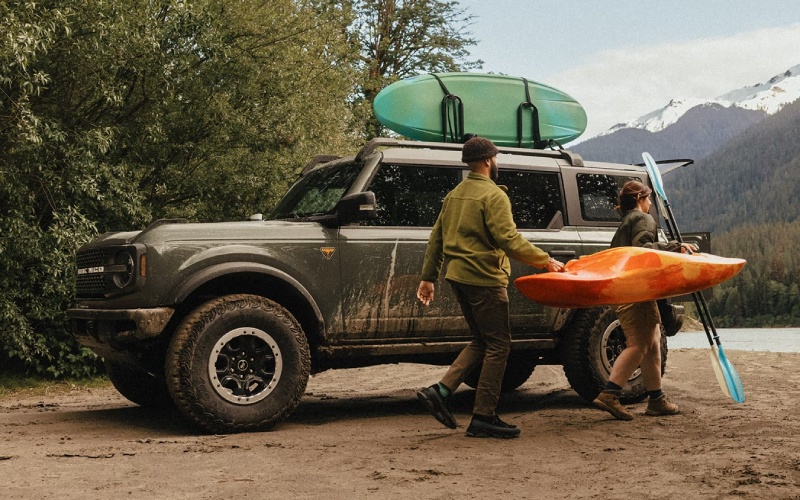
If you tow a small trailer with kayaks or landscaping gear, explore how the SUV behaves with normal and off-road settings on your typical route. The goal is not constant fiddling; it is building a short list of go-to modes that make driving easier.
What About Fuel and Wear?
Mode selection does not magically change physics, but smoother torque delivery and smarter shift patterns can reduce scrabble and unnecessary revs. That can indirectly support efficiency and reduce wear on driveline components and tires. More importantly, controlled traction helps minimize spin-and-grab events on mixed surfaces, which is kinder to both the road and your gear.
If you plan frequent off-pavement trips, consider tires that suit your typical surface. All-terrain options balance noise, ride comfort, and bite. Mud-terrain tires add an edge in sloppy conditions but can feel noisier and heavier. Pairing the right tires with the right modes is the winning combo.
Common Questions
Drivers often ask whether G.O.A.T. Modes can replace skill. The honest answer is that they are assistants, not substitutes. The best results come when you read the surface, pick the correct mode, and drive smoothly. The tech widens your margin for error and enhances control, but thoughtful inputs always matter.
Frequently Asked Questions:
Do I need to stop the vehicle to change G.O.A.T. Modes
You can switch among most drive modes on the move, but it is best practice to make changes when driving straight at a steady pace or stopped. Certain advanced settings may require specific conditions; always follow prompts in the cluster.
Will G.O.A.T. Modes work if I upgrade tires
Yes. Bronco’s systems adapt well to a range of tires. Just be aware that larger, more aggressive treads may change steering feel and braking distances. Choose a tire that matches your typical surfaces.
Is Trail Control only for difficult off-road sections
Trail Control shines off-road, but it can also help on steep, loose access roads or boat ramps by holding a steady low speed so you can focus on steering and surroundings.
Which mode should I use in light snow or on dusty, gritty streets
Slippery is a strong all-around choice for low-traction paved conditions. It tempers throttle inputs and adjusts traction control to reduce wheelspin as you pull away and corner.
Whether you are commuting around the city or heading for open-air fun with the doors off, the 2026 Bronco’s G.O.A.T. Modes turn capability into convenience. Our team can help you choose the trims, tires, and accessories that match your routine so the tech works for you the way it should. Valley Automotive Superstore is committed to serving Valley View, Solon, and Brunswick with guidance that keeps your Bronco build grounded in real-world use.