Choosing a Freightliner for Commercial Routes around Valley View, OH
Valley Automotive Superstore – Choosing a Freightliner for Commercial Routes around Valley View, OH
Why Freightliner Fits Many Local Business Needs
For many companies operating around Valley View, OH, a Freightliner truck is more than transportation. It is a rolling work platform, a delivery asset, a towing tool, a mobile service center, or the backbone of a growing fleet. The local driving environment adds its own demands. Routes may include I-480, I-77, Canal Road, Rockside Road, industrial parks, warehouse docks, job sites, and customer locations with limited space. That mix makes truck selection especially important because the right Freightliner has to balance power, payload, maneuverability, visibility, serviceability, and upfit compatibility.
At Valley Automotive Superstore, we encourage commercial shoppers to think beyond the badge and focus on the full operating picture. A truck that works beautifully for a regional delivery company may not be right for a contractor carrying tools, materials, and a trailer. A Freightliner with a long wheelbase may offer excellent cargo-body potential, but a shorter setup may work better for dense delivery routes. The smartest purchase starts with a clear understanding of your routes, load weights, driver needs, and future business plans.
Start with the Job, Then Choose the Truck
One of the most common mistakes in commercial truck shopping is choosing a vehicle before defining the job. Freightliner trucks can be configured for many purposes, including box delivery, flatbed work, dump applications, service bodies, utility work, towing, refrigerated transport, and regional hauling. Each application changes the ideal specifications. Payload, cab-to-axle measurement, frame strength, axle ratings, suspension type, PTO requirements, and body length all deserve attention before the truck enters service.
- Delivery routes: Focus on cargo volume, dock compatibility, liftgate needs, turning radius, driver comfort, and visibility in traffic.
- Trade and contractor use: Review payload after tools and materials are loaded, trailer requirements, body storage, and job-site access.
- Landscape and property service: Consider dump-body needs, crew-cab practicality, trailer towing, and easy loading of equipment.
- Regional transport: Compare fuel capacity, seating comfort, engine performance, transmission behavior, and highway stability.
For Valley View area businesses, local geography can matter as much as specifications on paper. Trucks often move between commercial corridors, residential service calls, highway travel, and tight access points in a single day. A well-matched Freightliner should feel predictable in all of those environments. Overbuilding the truck can add unnecessary size and complexity, while underbuilding can limit payload and shorten the useful life of the vehicle. The right balance supports productivity.
New or Used Freightliner: What to Consider
A new Freightliner can be appealing for businesses that want the latest technology, a clean maintenance baseline, warranty coverage, and the ability to build around specific requirements. New trucks may also make sense for companies standardizing a fleet or planning long ownership cycles. If your business already knows the exact body style, payload, and equipment package needed, ordering or selecting a new truck with the right foundation can be a strong long-term move.
A used Freightliner can also be a practical option when condition and history align with the job. Commercial vehicles should be judged by more than model year and mileage. Engine hours, idle time, previous use, maintenance records, body condition, frame condition, tire wear, brake condition, and emissions-system care all matter. A truck used mostly for highway routes may have a very different wear pattern than one used for stop-and-go delivery or heavy job-site work. Our team can help shoppers ask the right questions and compare work-truck options with confidence.
Inspection Details That Can Prevent Downtime
Downtime is expensive for any business, which is why inspection details are so important before buying a Freightliner. Look closely at the engine bay, fluid condition, transmission operation, cooling system, belts, hoses, air brake components, suspension parts, tires, frame rails, cab mounts, lights, warning messages, and upfit installation quality. On diesel trucks, emissions components such as DEF and DPF systems should be reviewed carefully because maintenance habits can affect reliability.
- Confirm the GVWR and payload after the body or equipment is installed.
- Review cab-to-axle dimensions for the intended upfit.
- Check maintenance records for routine service and major repairs.
- Test drive the truck in conditions similar to daily use.
- Verify driver licensing, insurance, and registration requirements.
During a test drive, pay attention to more than acceleration. Notice brake feel, steering response, turning radius, mirror placement, seat comfort, step-in height, dashboard visibility, and transmission behavior. A driver who enters and exits the cab many times per day will notice ergonomics quickly. A truck that feels easy to operate can improve confidence and efficiency, especially in congested delivery zones or active work sites.
Service, Parts, and Long-Term Support
Commercial truck ownership does not end after purchase. Service access, parts availability, maintenance planning, and diagnostic capability can make a major difference over the life of a vehicle. Valley Automotive Superstore supports drivers with service centers, expert certified technicians, advanced diagnostic equipment, genuine parts resources, and the ability to service all makes and models. For businesses, that kind of support can help simplify maintenance scheduling and reduce uncertainty when repairs are needed.
Parts planning is also important. A Freightliner may need routine items such as filters, fluids, brakes, tires, batteries, belts, hoses, lights, and emissions-system components over time. Upfit-related parts such as liftgate components, hydraulic parts, storage hardware, lighting, and body accessories should also be considered. Keeping accurate records of service intervals, repairs, inspections, and driver reports helps protect uptime and resale value. Good documentation makes future decisions easier, whether you add another truck or replace an aging unit.
Finance Questions for Commercial Buyers
Financing a commercial truck is not the same as financing a personal vehicle. Business owners often consider cash flow, tax planning, depreciation strategy, trade-in value, loan terms, and expected ownership length. Some companies prefer to build equity over time, while others focus on payment structure and equipment rotation. Valley Automotive Superstore offers finance resources designed to make the process easier to understand, including tools for applying for financing, valuing a trade, and reviewing purchase options.
Before applying, gather useful information such as business details, estimated annual mileage, intended use, desired body type, trade-in information, and preferred ownership timeline. This preparation helps create a smoother conversation. It also helps identify whether a particular Freightliner configuration supports your budget and business goals. No single finance path works for every company, so asking questions early can prevent confusion later.
Frequently Asked Questions:
What size Freightliner should I buy for local delivery?
Start with cargo weight, cargo volume, loading method, and route type. A medium-duty Freightliner with a practical wheelbase and appropriate box size may work well for local delivery, but exact specifications should match your loads and dock requirements.
Is a Freightliner a good choice for contractors around Valley View, OH?
Yes, a properly configured Freightliner can be an excellent contractor truck. The key is choosing the right frame, suspension, payload rating, body setup, towing capability, and storage layout for the type of work performed.
Why should I review engine hours on a used commercial truck?
Engine hours reveal use that mileage alone may not show. Trucks with heavy idle time can experience wear even when mileage seems reasonable, so both measurements should be reviewed together.
Can Valley Automotive Superstore help after the purchase?
Yes. Our service and parts resources are designed to help keep vehicles maintained, repaired, and ready for work with knowledgeable support throughout ownership.
Choosing a Freightliner is a business decision, and a thoughtful approach can lead to a truck that serves your company well for years. Define the job, review the specifications, inspect carefully, plan for service, and work with a team that understands commercial vehicle needs. When you are ready to compare options, our team can help you move from research to a confident decision.
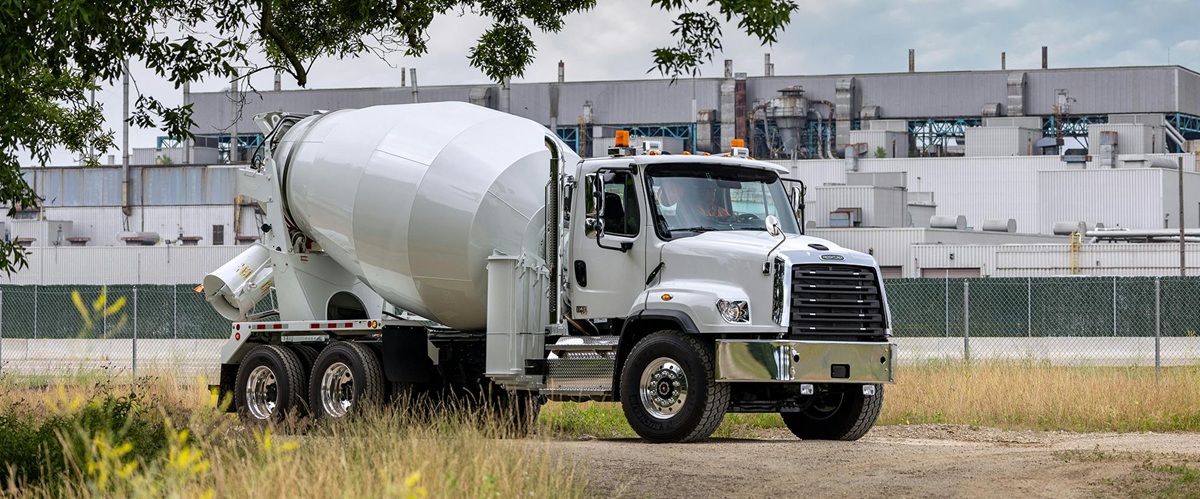
*Image may not be actual model