How Western Star Trucks Support Hardworking Routes around Valley View, OH
Valley Automotive Superstore – How Western Star Trucks Support Hardworking Routes around Valley View, OH
For businesses operating around Valley View, OH, a commercial truck is not just transportation. It is a tool that helps crews arrive on time, haul the right equipment, keep projects moving, and support daily revenue. Western Star trucks are built with that kind of working environment in mind. From construction and municipal work to heavy hauling, towing, utility applications, and vocational bodies, Western Star models are often considered by shoppers who need durability, configurability, and long-term dependability. Around Valley View, trucks may move between industrial corridors, jobsite entrances, warehouse zones, and major routes such as I-480 and I-77. That mix of highway driving, local turns, loaded starts, and frequent stops makes proper truck selection especially important.
The most effective buying process starts before you look at a specific unit. It begins with a clear understanding of what the truck must do every day. A dump truck, rollback, service body, tractor, mixer, or utility platform will place different demands on the frame, suspension, braking system, powertrain, and cab layout. A truck that is too light for the job can wear quickly and limit productivity. A truck that is overbuilt for the work may add complexity that is not needed. The best fit sits in the middle – strong enough for the load, efficient enough for the route, and practical enough for drivers and fleet managers to use confidently.
Why Application Comes First
Western Star trucks are popular in vocational settings because configuration matters. Before comparing trucks, write down the real-world work cycle. How much weight will the truck carry? Will it tow? Will it idle for long periods while powering equipment? Does the route include tight yards, loading docks, steep jobsite approaches, or repeat highway miles? These answers help narrow the field and make conversations with a commercial truck specialist more productive. The more specific the work profile, the easier it becomes to evaluate axle ratings, wheelbase, cab-to-axle dimensions, PTO needs, transmission type, and body compatibility.
- Construction work: Prioritize frame strength, suspension capacity, traction, visibility, and body upfit compatibility.
- Heavy towing: Review gross combined weight rating, braking systems, cooling capacity, transmission behavior, and rear axle specifications.
- Utility service: Focus on storage layout, electrical capacity, PTO or hydraulic needs, and accessibility for crews.
- Regional hauling: Balance power, driver comfort, fuel planning, service access, and highway stability.
- Municipal use: Consider durability, lighting, safety equipment, maintenance schedules, and specialized body requirements.
New vs. Pre-Owned Western Star Trucks
A new Western Star can be ideal when a business needs a specific configuration from the start. New-truck shoppers may prioritize warranty coverage, the latest cabin updates, emissions system history from day one, and the ability to match the truck closely to a planned body. This can be valuable when a company has a long ownership horizon or a specialized application that requires exact measurements and equipment. Ordering or selecting the right new truck can also help standardize a fleet, which may simplify maintenance planning and driver training.
A pre-owned Western Star can also be a smart choice when the truck’s condition, maintenance history, mileage, engine hours, and body setup align with the work. The key is careful evaluation. Review inspection records, service intervals, tires, brakes, suspension components, driveline condition, emissions system details, and any evidence of prior heavy use. A pre-owned truck may already include a valuable body or vocational setup, but compatibility still matters. If the truck was built for a different kind of work, the configuration may not translate perfectly to your business.
Service Support Matters After the Sale
Downtime can be one of the largest hidden costs in commercial truck ownership. That is why service access should be part of the purchase decision, not an afterthought. We support shoppers by helping connect vehicle selection with maintenance planning, parts availability, and long-term ownership needs. Routine care such as oil and filter service, tire rotation where applicable, fluid checks, brake inspections, battery testing, diagnostics, and major mechanical work all play a role in keeping a work truck productive. For businesses around Valley View, quick access to service resources can help protect schedules and reduce interruptions.
Parts planning also deserves attention. Commercial trucks often rely on specialized components, and the wrong part can delay a repair or affect performance. Our parts resources include factory OEM and aftermarket options, accessory support, trained professionals, and online ordering tools. For many work truck owners, having a dependable source for parts is just as important as choosing the right engine or axle ratio. Whether you prefer professional installation or handling certain repairs in-house, knowing where to obtain the correct parts can help keep maintenance predictable.
Financing and Ownership Planning
Financing a Western Star truck should reflect how the vehicle will be used in the business. A commercial truck may generate revenue, support crews, and replace rented equipment, so monthly structure and long-term planning matter. Consider how long you intend to keep the truck, whether a trade-in will be part of the purchase, how the truck supports cash flow, and what maintenance expenses should be planned during the ownership cycle. We offer finance resources designed to make this process more straightforward, including online application tools and guidance through available options.
It is also helpful to estimate total cost of ownership before purchase. Fuel, tires, insurance, registration, preventive maintenance, driver training, inspections, upfit timing, and potential downtime all influence the real cost of a truck. A Western Star that is properly matched to the job can help improve confidence and productivity over time. A truck chosen only by appearance or a single specification may not deliver the same value once daily work begins. Taking the time to compare the complete picture leads to a better decision.
Frequently Asked Questions:
Are Western Star trucks a good fit for construction businesses around Valley View, OH?
Yes, Western Star trucks can be a strong fit for construction work when configured properly. Frame strength, axle ratings, suspension setup, body compatibility, and drivetrain selection should be matched to the load, terrain, and daily jobsite requirements.
What should I inspect on a used Western Star truck?
Review service history, engine hours, mileage, frame condition, suspension wear, brakes, tires, emissions system, driveline components, electrical systems, and any prior upfit work. A professional inspection is especially important for heavy-duty commercial vehicles.
Can a Western Star truck be customized for a specific business?
Yes. Western Star trucks are often selected for vocational flexibility. Depending on the model and configuration, a truck may support dump bodies, service bodies, towing equipment, utility bodies, flatbeds, and other specialized upfits.
Choosing a Western Star truck is a practical decision that should be based on work demands, service access, financing structure, and long-term uptime goals. Around Valley View, OH, businesses need trucks that can handle local routes, heavy loads, tight work areas, and demanding schedules without unnecessary compromise. When you are ready to compare options, our team can help you review inventory, discuss trade value, explore financing, schedule service, and plan parts support. A well-chosen Western Star can become one of the most dependable assets in your operation.
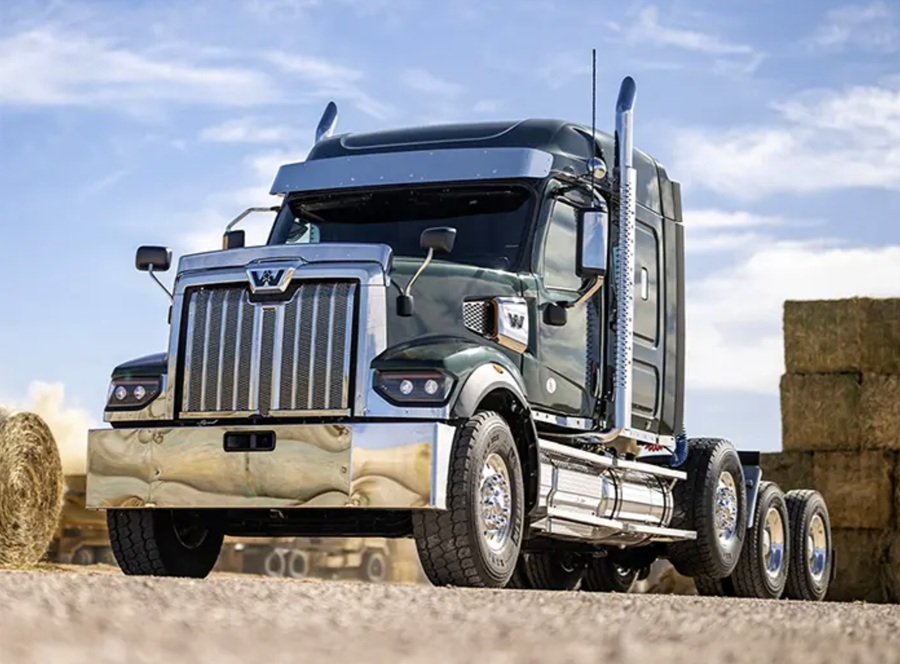
*Image may not be actual model