Which Van Has the Better All-Wheel Drive for Valley View, OH: 2026 Ford Transit® or 2026 Mercedes-Benz Sprinter?
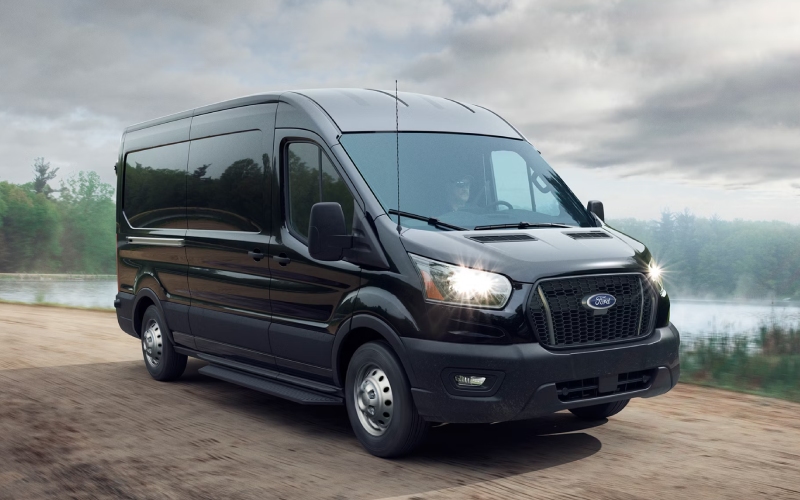
Valley Automotive Superstore – Which Van Has the Better All-Wheel Drive for Valley View, OH: 2026 Ford Transit® or 2026 Mercedes-Benz Sprinter?
When business owners and family haulers weigh full-size vans, one question rises to the top: which all-wheel drive system feels more secure, predictable, and easy to live with in real life? Both the 2026 Ford Transit® and the 2026 Mercedes-Benz Sprinter can be equipped with AWD, but the way each brand packages driver assistance, power delivery, and day-to-day usability makes a meaningful difference once you’re juggling people, gear, and tight schedules around Valley View, OH.
Below, we break down how AWD tech works in each van, what it feels like at the wheel, and why the Transit’s broader standard safety foundation can be a deciding factor. Along the way, we’ll call out practical considerations—like maneuvering in crowded lots or loading zones—that matter as much as spec-sheet capability when time is money and passengers expect a smooth ride.
AWD technology and feel
The Transit’s available Intelligent All-Wheel Drive is designed to act in the background. It’s always monitoring conditions and can proactively send torque to the wheels with the most grip. The sensation is seamless—drivers step on the throttle, and the van moves out without fuss, even on a slick surface or a sloped driveway. Ford integrates the system with its standard driver-assist technologies, so support extends beyond traction control into day-to-day tasks like lane keeping and parking.
Sprinter’s AWD, with its on-demand torque split and polished steering feedback, is a sophisticated piece of engineering. It’s composed and capable. The difference most drivers notice is how each system is bundled: Transit makes its safety net standard across the lineup, so any AWD-equipped Transit starts from a robust baseline of assistance without hunting through packages. In short, the Transit’s AWD feels like part of a larger, cohesive driver-confidence story.
Real-world Northeast Ohio driving
From school pickups to airport shuttles and vendor deliveries, your routes likely include uneven surfaces, wet pavement, and frequent stops. In those scenarios, the Transit’s blend of traction and standard support systems reduces cognitive load. Front and rear parking sensors (standard) and Ford Co-Pilot360® features—like Pre-Collision Assist® with Automatic Emergency Braking and a Lane-Keeping System—complement AWD by helping you manage traffic flow and close-quarters maneuvering with calm precision.
Sprinter’s safety tech is competitive, offering features such as Active Brake Assist, Blind Spot Assist Mirror technology, and Attention Assist. The distinction is availability versus standardization. If you rotate multiple drivers or run shifts across different vans, knowing that every Transit starts with the same core safety equipment can streamline training and day-to-day confidence.
Power delivery and traction under load
AWD is only as reassuring as the engine that feeds it. Transit’s two available gas V6 engines—a 3.5L PFDi V6 and a 3.5L EcoBoost® V6—deliver the relaxed, predictable response many drivers prefer when merging onto I-480 with a full passenger load or climbing a grade with gear. That low-drama character pairs nicely with Intelligent AWD, giving you steady traction and consistent acceleration when you need it.
Sprinter emphasizes a refined transmission and on-demand torque management. It’s capable and smooth, but its four-cylinder propulsion may feel busier under heavier passenger or cargo weight. If your operation values easy drivability for a variety of drivers, the Transit’s V6 options help keep the experience calm and consistent.
Loading zones, lots, and last-mile details
AWD confidence matters most in the little moments—curbing a tire into a tight spot, pivoting around a delivery dock, or easing out of a sloped driveway. Transit lends a hand beyond traction. The available 253-degree rear door opening and available Close Assist for the sliding side door take strain out of quick stops and frequent entry/exit. Standard parking sensors add another layer of reassurance when tight spaces and blind corners are part of your routine.
Sprinter’s upscale touches are appealing, and its AWD is genuinely composed. But if you measure a van by how many daily frictions it eliminates, the Transit’s thoughtful ergonomics and default safety gear amplify the benefits of AWD in those last few feet where mistakes can cost time.
Key AWD comparison highlights
- Standard safety foundation: Transit pairs available Intelligent AWD with standard Ford Co-Pilot360®, including front and rear parking sensors, Pre-Collision Assist®, and a Lane-Keeping System.
- Power that supports traction: Two gas V6 choices deliver smooth, confident response that complements AWD in stop-and-go traffic or on-ramps.
- Practical access advantages: Available 253-degree rear door opening and Close Assist side door streamline quick stops and crowded loading areas.
Who benefits most from Transit AWD?
If your routes combine short hops with varied surfaces—campuses, medical centers, hotels, and airports—the Transit’s calm, integrated approach helps reduce driver workload. Training is simpler, multi-driver teams adjust faster, and daily confidence rises when the same key safety features are present across vehicles. That’s valuable whether you run a small local shuttle or manage a growing fleet.
For organizations that want a polished, premium feel, Sprinter remains an attractive option. But when you weigh AWD capability, drivability under load, and the number of small hassles removed by default, Transit tilts the scales for many real-world use cases.
Frequently Asked Questions:
Does AWD affect seating or cargo space in these vans?
No. AWD primarily changes how power is distributed, not seating layouts or the fundamental cargo dimensions. Transit continues to offer up to 15-passenger seating and multiple roof heights and lengths even when AWD is equipped.
Is AWD overkill if most routes are paved?
Not necessarily. AWD helps when roads are wet, uneven, or sloped, and it can improve traction pulling away from curbs or navigating tight, low-speed turns with a full load. The benefit is consistency for a broad range of drivers and conditions.
How do the driver-assist systems complement AWD?
On Transit, standard Ford Co-Pilot360® assists with lane keeping, low-speed parking, and collision mitigation. These systems reduce workload so AWD can focus on traction—together they create a calmer, more predictable experience.
When you are ready to compare configurations or set up a test drive, Valley Automotive Superstore can help you match roof height, length, seating, and AWD to your routes and passengers—serving Valley View, Solon, and Brunswick with knowledgeable guidance and a straightforward process built around your needs.